
How to Manage PCOS Naturally: Diet Plan, Exercise, and Lifestyle Tips
Introduction
PCOS (Polycystic Ovary Syndrome) is a common disorder that affects many women around the world. Women with PCOS present with irregular periods, hormonal imbalances, unwanted hair, and/or difficulty getting pregnant. Most women do not recognize they have PCOS until they start noticing significant changes in their health. Even with significant symptoms, it is possible to have a diagnosis and contribute to managing PCOS and feeling better through an early diagnosis and lifestyle changes. This guide highlights the major causes, symptoms, and evidence-informed treatments of PCOS, as well as the best dietary and exercise strategies for hormone balancing and natural weight loss.
What is PCOS?
Polycystic ovary syndrome, also known as PCOS, is a prevalent condition that affects women who are of child-bearing age. It is caused by the ovaries not functioning as they should and producing excessive amounts of male hormones, or androgens. This increase in androgens can cause irregular periods, acne, hair loss, and complications with conception. Women with PCOS usually develop many cysts or small fluid-filled sacs on their ovaries. These cysts inhibit normal ovulation and create irregular or missed menstrual cycles. If PCOS is not treated, it can develop into type 2 diabetes, obesity, high blood pressure or heart disease.
Common Symptoms of PCOS
Polycystic Ovary Syndrome (PCOS) can manifest differently in every woman, but there are some signs and symptoms of PCOS that are common and easy to identify. The earlier these signs and symptoms are recognized, the sooner a diagnosis and treatment can begin.
Common Symptoms of PCOS
1. Irregular periods:
One of the first signs of PCOS is missed periods, delayed periods, or very light periods.
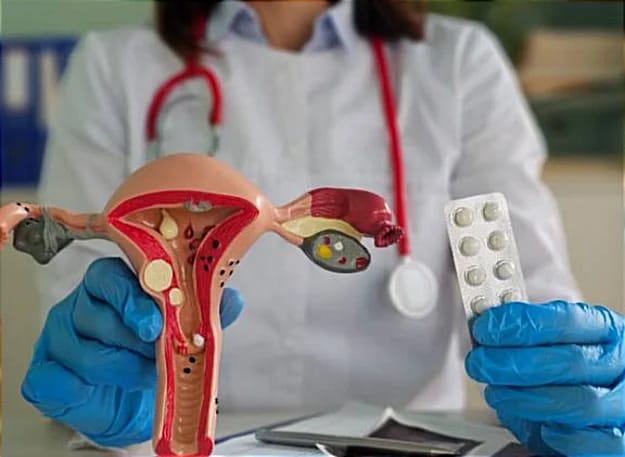
Irregular periods in PCOS can be managed with proper medical treatment and lifestyle changes.
2. Excess facial or body hair (hirsutism):
Women with elevated levels of androgens may notice that unwanted hair grows on the face, chest or back.
3. Acne and oily skin:
Hormonal changes may cause acne to develop, especially on the jawline and chin.
4. Weight gain:
Many women with PCOS notice that they easily gain weight, and it may be difficult to lose weight, especially around the waist.
5. Thinning hair or hair loss:
Sometimes women will experience thinning of hair on the scalp, like patterns of baldness seen in males.
6. Dark patches on the skin:
For example, dark "velvety" patches may develop on the neck, or under the arms, or on the groin, known as acanthosis nigricans.
7. Difficulty conceiving:
An uneven pattern of ovulation because of PCOS, may make it difficult to conceive without medical intervention.
8. Change in mood:
Feelings of depression, anxiety or chronic fatigue are common with hormone fluctuations.
Main causes of PCOS
The specific cause of Polycystic Ovary Syndrome (PCOS) is still unknown, but there are multiple contributors that can make an individual develop it. Understanding the contributors can help you manage and prevent PCOS.
1. Hormonal Imbalance
PCOS occurs when the body makes excess male hormone (androgens). Hormonal imbalance may prevent proper ovulation and result in irregular periods, acne, and unwanted facial hair.
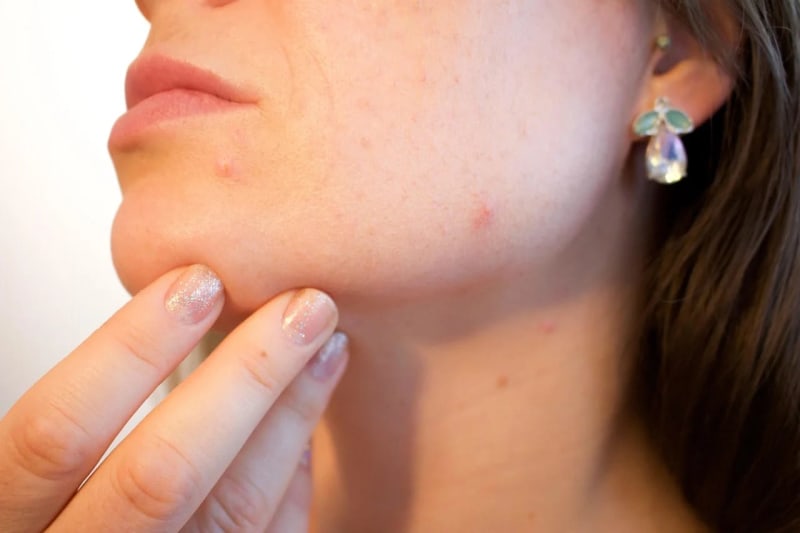
Acne is a common symptoms of PCOS caused by hormonal imbalance
2. Insulin resistance
Higher levels of insulin indicates an increase in male hormone production, causing weight gain, irregular cycles, and difficulty losing weight. Many women with PCOS are found to be insulin resistant, which adds to the risk of Type 2 diabetes.
3. Genetics
PCOS often runs in families. Having a mother or sister with PCOS increases the likelihood of developing it.
4. Low-Grade Inflammation
Women with PCOS often experience mild inflammation in the body, which can cause increased male hormone production, and possibly weight gain and skin conditions.
5. An Unhealthy Lifestyle
An unhealthy diet, lack of exercise, stress, and sleep issues can exacerbate the hormonal imbalance, and these behaviors can cause an individual to start or magnify their PCOS symptoms.
How too manage PCOS naturally at home?
You can certainly manage Polycystic Ovary Syndrome, or PCOS, at home naturally with lifestyle modifications. A healthy diet, moving your body consistently, and stress management can create balance in your hormones, regulate your periods, and benefit you overall.
1. Follow a Balanced PCOS Diet
Eating whole foods such as fruits, vegetables, lean protein, and whole grains is a great way to maintain balance. Avoid sugar, white bread, and other processed snack foods. Eating high fiber foods such as oats, beans, or leafy greens will help control your blood sugars. Incorporate foods high in Omega 3's, like flaxseeds or fatty fish, to reduce inflammation.
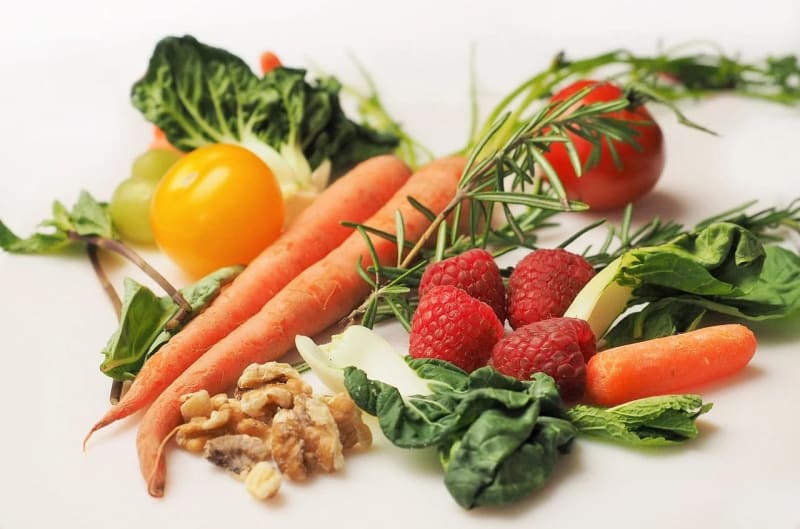
A balanced diet rich in fresh fruits and vegetables supports hormonal health in PCOS
2. Move Your Body Regularly
Try to get 30 minutes of activity every day. brisk walking, bike riding, or yoga are all great options. Find something you enjoy and stick with it! Activity will help to lower insulin levels in your body, and help you to lose weight in a healthy manner.
3. Manage Your Stress
Finding practice you enjoy mediation, deep breathing, or journaling, can help reduce cortisol levels (stress hormone) in your body. Prioritizing sleep will also help regulate cortisol levels try to get a consistent schedule around your sleep routine.
4. Maintain a Healthy Body Composition
Even a small amount of weight loss (5-10%) can lead to more regular periods and even ultimately conception. Focus on slow steady progress with clean changing your diet and consistently moving.
5. Use Natural Supplementation
Inositol, zinc and vitamin D can help balance hormones. Herbal teas such as spearmint tea have shown some evidence they can lower androgen levels.
Best Workouts for PCOS
Exercise plays an important role in effectively managing Polycystic Ovary Syndrome (PCOS). Exercise helps with weight control, increases insulin sensitivity, and naturally balances hormones. A beneficial workout routine will help alleviate PCOS symptoms and increase energy levels.
1. Walking or Jogging
A 30-minute brisk walk or light jog daily will increase circulation and burn fat. It is one of the easiest and most effective types of exercise for PCOS-related weight loss.
2. Strength Training
Light weights or bodyweight exercises (squats, lunges, or pushups) develop muscle and reduce insulin resistance. Strength training will also increase metabolism.
3. Yoga
Yoga reduces stress hormones and helps with hormonal balance. Poses like Cobra, Bridge or Butterfly pose, are especially useful for period regularity and fertility.

Morning yoga and meditation help reduce stress and balance hormones naturally for women with PCOS
4. Aerobic Exercises
Engaging in activities such as cycling, swimming, or dancing improves heart health and promotes a healthy body weight.
5. High-Intensity Interval Training (HIIT)
Short bursts of vigorous exercise with active rest will improve insulin control and setting the pace for faster fat loss than high-intensity steady-state workouts.
The Effects of PCOS on Periods and Fertility
Polycystic ovary syndrome, or PCOS, has a direct impact on a woman's menstrual cycle and ability to conceive. PCOS disrupts levels of hormones, particularly estrogen, progesterone, and androgens, that are involved in regular ovulation and fertility.
1. Irregular Cycles
Women with PCOS miss, delay, or do not have predictable periods. This happens because the ovaries will not release an egg every month. It is the lack of ovulation is what causes the menstrual cycle to be irregular, or stop completely. Other women will have heavy periods when and if the cycle returns.
2. Anovulation
In PCOS, an imbalance of hormones will stop the egg from maturing or being released from the ovary, and, without ovulation, pregnancy cannot occur naturally. This is one of the main causes of infertility when a woman has PCOS.
3. Hormonal Imbalance
The androgens, or male hormones, can also increase with PCOS, which have a negative affect on the normal reproductive function. This hormone imbalance prevents the lining of the uterus from developing, which then interferes with the ability for the fertilized egg to attach to the uterine wall.
4. Insulin Resistance
Insulin resistance, which seems to go hand-in-hand with PCOS can increase the androgen production which interrupts ovulation, as well as the quality of the egg. If the diet and/or exercise can manage the insulin, the cycles can return.
5. Fertility Effects
PCOS may be one of the more leading causes of infertility, but it is manageable. While weight management, medication, and lifestyle management are proven methods to get the many women back on track.
Balanced Diet for PCOS
Eating the right way can help manage Poly-Cystic Ovary Syndrome (PCOS). Your food is a significant influence for your hormones, weight, and energy levels. A balanced diet can help reduce symptoms, as well as help keep your body balanced.
1. Eat natural food
Eat real, food that is fresh Select fruits, vegetables, whole grains, and foods that are cooked at home. Don't buy packaged foods and do not eat fried foods, all these things increase your blood sugar.
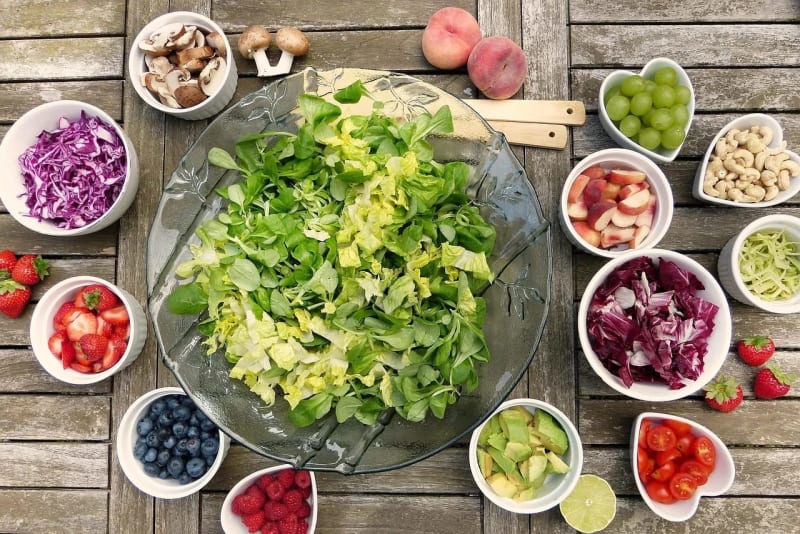
Healthy diet plan for managing PCOS naturally
2.Smart Carb control for PCOS
Control your carbohydrates instead of cutting them out entirely. Focus on slow digesting carbohydrates like brown rice, oats, and sweet potatoes. Easy to digest never satiety foods combined with healthy fats and protein will help stabilize your insulin levels and your cravings.
3. Add protein to your meals
Breakfast, lunch, and dinner should all include foods like eggs, fish, lentils, or chicken. Protein will help you feel full and aid in loss of body fat.
4. Consume healthy fats.
Healthy fats from olive oil, nuts, and avocado will help to balance hormones and support heart health.
5. Eat fiber rich foods
Foods like beans, spinach, and apples that are high in fiber will help to balance insulin levels and aid in digestion.
6. Reduce/Eliminate sugar and dairy
Sugar will cause a spike in insulin (and if you have an inflammatory response to sugar will cause harm), and too much dairy can increase acne or cause other hormonal imbalance. Choose unsweetened alternatives when possible or reduce dairy by considering low-fat content, as it is better for your body.
7. Drink water daily
Be sure to hydrate water intake daily. You can also drink herbal teas such as spearmint tea to help lower androgen levels within the body. Sample daily meal plan for PCOS Breakfast: Oatmeal with Chia seeds and banana Lunch: Grilled Chicken with brown rice and salad .
When to see doctor for PCOS?
Polycystic Ovary Syndrome (PCOS) is a condition that generally develops slowly, which is why some women consistently dismiss early signs. However, seeking medical attention early on can help reduce the risks of long-term effects such as infertility, diabetes, and heart disease. You should not wait to see a doctor if your symptoms are getting worse, or if they are infringing on your daily life.
1. Irregular or Missing Periods
If you find that your menstrual cycle is consistently backed up, very light, or completely non-existent for months at a time, you should reach out to a gynecologist for an evaluation. Irregular periods are often the first warning sign that you may be experiencing PCOS.
2. Trying to Conceive
If you have been trying unsuccessfully for more than 6-12 months to conceive, PCOS could be the source. Asking your doctor to restore ovulation and fertility will allow you to hopefully conceive.
3. Excess Hair Growth
Hair Loss Unwanted or excessive hair on your face, your chest, or your back, or unexpected hair thinning on your scalp could indicate that hormones are out of balance and would warrant a visit to a physician.
4. Sudden Weight Gain or Inability to Lose Weight
Rapid weight gain, especially when it seems to counteract all of your healthy eating efforts, is a strong indication that your insulin or hormone levels are out of balance. A doctor should be consulted for testing and treatment options.
FAQS
Q#1 Can PCOS be cured permanently?
Answer There is no permanent cure for PCOS, but it can be managed effectively through diet, exercise, stress control, and medical treatment.
Q#2 How can I manage PCOS naturally at home?
Answer You can manage PCOS naturally by eating a balanced diet, controlling carbohydrates, exercising regularly, maintaining a healthy weight, and getting enough sleep.
Q#3 What is the main cause of PCOS?
Answer PCOS is mainly caused by hormonal imbalance and insulin resistance. Genetics and poor lifestyle habits can also trigger it.
Q#4 What is the best diet for PCOS?
Answer The best PCOS diet includes whole grains, lean proteins, vegetables, healthy fats, and slow-digesting carbs like oats and brown rice.
Q#5 Does PCOS affect fertility?
Answer Yes. PCOS can cause irregular ovulation, making it harder to conceive, but treatment and lifestyle changes can improve fertility.
Conclusion
PCOS, or polycystic ovarian syndrome, is a hormonal disorder that affects millions of women across the globe. PCOS is manageable with lifestyle changes and working with a medical professional. Eating a balanced diet, exercising, managing stress, and following your doctor’s orders will help control symptoms and improve fertility. Early diagnosis and proper treatment in a medical office are the best hope for your long-term lifestyle and health. Living with PCOS is all about consistency rather than perfection. Small, gradual changes in lifestyle earn great results, often over time. Keep informed, be healthy, and take control of your body.
Leave a Comment
No Comments Yet
Be the first to comment on this blog post!