Diabetes Management Guide: Best Diet, Exercise, and Home Remedies for Blood Sugar Control
Introduction to Diabetes
Diabetes is a common medical condition that occurs when your body cannot use or produce insulin properly. This results in elevated blood sugar levels and high blood sugar levels can lead to serious health problems over time. The most common forms of diabetes are Type 1 and Type 2 diabetes. Diabetes may cause symptoms such as frequent urination, constant thirst, severe tiredness and sudden weight loss or gain. Family history, obesity, a poor diet, and lack of physical exercise can put you at risk for diabetes. Early diagnosis with a healthy diet and physical activity, along with the continuation of a proper treatment plan can help you successfully manage diabetes. Learning about diabetes can help you avoid complications and maintain a healthy lifestyle.
What is Diabetes?
Diabetes is a long-term health condition that affects how your body converts food into energy. Normally, your body breaks down food into sugar (glucose), and sends it to the bloodstream. The rising blood sugar causes the pancreas to release insulin so the cells can use it for energy. In diabetes, either not enough insulin is produced or the insulin cannot be used properly. As a result, there is too much sugar in the blood, which can lead to serious problems for heart, kidneys, eyes, and nerves.

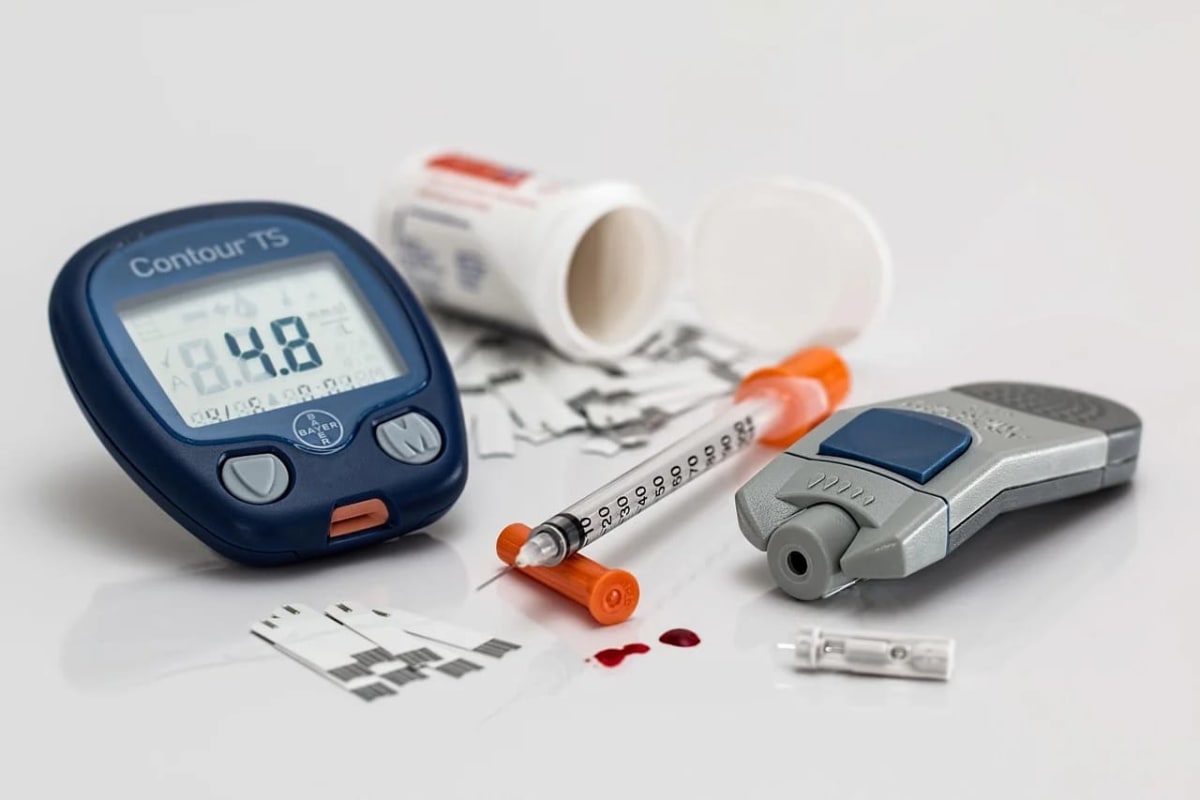
Sugar cheeker machine for measuring sugar levels
Common Symptoms of Diabetes
Common manifestations of Diabetes Diabetes is a disease that can affect the entire body and many times people overlook the early warning signs as they all seem relatively common. Recognizing these symptoms early on can assist in prompting early diagnosis and treatment. Most Common Symptoms of Diabetes:
1. Increased Urination
When your blood sugar levels are high, the kidneys need to work harder to eliminate the extra sugar. This increase in sugar causes an increase in urination, especially at night
. 2. Increased Thirst
Since frequent urination causes the body to lose water, it makes sense that you would be very thirsty and have a dry mouth.
3. Unusual Hunger
Caused by improper absorption of insulin, the body cells don't receive normal energy levels and result in a hungry feeling no matter when you eat
. 4. Abnormal Weight Changes
If you had an unexplained weight loss or gain without a change in diet plan, it could suggest that you have diabetes.
5. Tiredness and Weakness
When glucose does not get into cells for energy, the body feels tired and weak.
6. Blurred vision
High blood sugar levels can affect the lens of the eye, causing blurring.
7.Slow healings of Wound
Due to diabetes cuts and wounds take longer to heal, even though levels of diabetes don't affect their ability to heal, high sugar levels do change blood flow and also immunity.
. 8.Diabetic Neuropathy
Tingling or Numbness in hands or feet, called diabetic neuropathy. This is due to nerve damage from uncontrolled diabetes.
9. Frequent infections due to Diabetes
People with diabetes are more susceptible to skin infections, gum infections, and urinary tract infections.
Causes of Diabetes
Factors behind Diabetes Diabetes is a condition that occurs when the body is not able to produce sufficient insulin or cannot use insulin effectively. This leads to high blood sugar levels, which can result in serious damage to vital organs if it goes untreated. Understanding the causes of diabetes assists in prevention and early management.
Primary Causes of Diabetes
1. Genetics and Family History
Family history of diabetes raises the likelihood for individuals to develop both Type 1 diabetes and Type 2 diabetes.
2. Obesity and Excess Weight
Being overweight or obese, particularly around the midsection, increases insulin resistance and leads to increased risk for Type 2 diabetes.
3. Poor Diet
Excessive sugar and processed foods and saturated/unhealthy fats increase the difficulty the body has managing blood sugar.
4. Lack of Exercise
Physical inactivity contributes to overweight and obese body types through the body’s diminishing ability to utilize insulin efficiently and increases the risk of developing diabetes.
5. Autoimmune Issue
In Type 1 diabetes, the body literally fights itself, as the immune system destroys insulin-producing cells in the pancreas.
6. Hormonal Systems
Gestational diabetes (diabetes found during pregnancy) and conditions such as PCOS can promote elevated blood sugars.
7. Age Diabetes risk
increases after the age of 40 however, today’s unhealthy lifestyles are causing more and more younger people to develop diabetes.
8. High Blood Pressure and Cholesterol
Risk factors associated with high blood pressure, cholesterol, and diabetes often go hand-in-hand with insulin resistance.
Why should you care ?
If you know the causes, you can modify them through healthy eating, weight control, and exercise.
Major Complications from Diabetes
Problems Arising from Diabetes Complications are serious when diabetes is left uncontrolled; the high blood sugar can damage almost any organ system in the body. Risk of life-threatening complications from uncontrolled diabetes increases when blood sugar is uncontrolled.
1.Cardiovascular disease and Stroke ( cardiovascular disease)
High blood sugar harms blood vessels and leads to increased risk of heart attack, stroke and high blood pressure.
2. Kidney Damage due to high/low Diabetes ( diabetic nephropathy)
Uncontrolled diabetes harms the kidneys and can lead to chronic kidney disease or kidney failure.
3. Nerve Damage (diabetic neuropathy)
High blood sugar harms the nerves; commonly presents as pain, numbness, and tingling best noticed in the hands and feet.
4. Eye Damage (diabetic retinopathy)
Diabetes can cause damage to the eyes leading to blurred vision, cataracts, glaucoma, and even blindness.
5. Issues With Foot Poor blood flow
Nerve damage can result in slower healing of wounds, making the feet more susceptible to infection, and amputation in severe cases.
6. Skin and Gum Infections
Diabetes will suppress the immune system, making skin problems and fungal infections more prevalent, as well as gum disease.
7. Hearing Impairment
People with uncontrolled diabetes are more likely to develop hearing problems because of nerve damage.
8. Mental Health Disorders
Higher blood sugar management directly correlates with depression, anxiety, and cognitive decline.
Why Controlling Diabetes is Important Managing blood sugar levels through healthy eating, physical activity, and insulin use, helps to avoid complications long-term. Regular check-ups and changing habits are important to having a healthier life living with diabetes.
Tests and Diagnosis of Diabetes
Diagnosing diabetes early is very important since it may prevent serious health effects later in life. Once tests are done to find out if someone has diabetes or prediabetes the doctor can monitor the blood glucose levels. Common Tests to Diagnose Diabetes There are 4 tests that can detect diabetes,
1. Fasting Blood Sugar Test
This test measures blood sugar after fasting for at least 8 hours. Normal: less than 100, Prediabetes: 100-125, Diabetes: 126 or higher.
2. Oral Glucose Tolerance Test (OGTT)
The test measures blood sugar before and two hours after consuming a sweet glucose solution. Normal: less than 140, Prediabetes: 140-199, Diabetes: 200 or higher.
3. HbA1c Test (glycated hemoglobin)
The test measures average blood sugar levels over the past 2-3 months. Normal: below 5.7, Prediabetes: 5.7 -6.4, Diabetes: 6.5 or higher
4. Random Blood Sugar Test
Blood sugar can be measured anytime of the day regardless of when you ate last. If your blood sugar is 200 or higher at any time of day, you are likely to have diabetes.
Best Diet Plan for Diabetes
The best way to manage diabetes is to eat foods that best support health. A well-balanced diet can support blood sugar management, weight maintenance, and decreased risk of complications.
Regardless of the specific recommendations made by your healthcare provider, the following principles can be applied to a diabetes diet.
Principles
- Eat three small meals and two healthy snacks each day
- Eat lower glycemic index (GI) foods
- Eat high-fiber and higher protein foods
- Avoid refined carbohydrates and added sugars

Healthy vegetables and fruits suitable for a diabetes friendly diet
Examples of food choices for diabetes patients include
1. Non-starchy vegetables
Non-starchy vegetables such as spinach, kale, cauliflower, zucchini, bell peppers, and other non-starchy vegetables are lower in carbs and higher in fiber. You can eat non-starchy vegetables freely.
2. Fresh Fruits
Fresh fruits such as berries, apples, guava, citrus fruits, etc., are rich in vitamins, minerals, and antioxidants, but should be eaten in portions.
3. Whole grains and legumes
Whole grains like oats, barley, brown rice, and legumes like beans and lentils are good choices for diabetes because they provide sustained blood sugar stability.
4. Sources of protein
Grilled fish, skinless chicken, boiled eggs, and plant proteins are good sources of protein to improve muscle quality.
5. Healthy Fats
Almonds, walnuts, flaxseeds, olive oil, and avocados will herald lower bad cholesterol and support heart health.
6. Low-Fat Dairy
Foods Yogurt, skimmed milk, and cottage cheese help to support bone health and energy.
Sample day Meal Plan
Breakfast: Oats with skimmed milk and berries
Snack: A handful of almonds or walnuts
Lunch: Brown rice with grilled chicken and salad
Snack: Apple and peanut butter slices
Dinner: Lentil soup with whole grain bread and steamed vegetables.

Fruits are very necessary for diabetes
Home Based Treatments and Natural Tips to Treat Diabetes
Diabetes is a chronic disease; however, the exciting news is that with the right lifestyle and natural care, it is possible to live with diabetes in a better way. There are several home remedies and everyday habits that can keep your diabetes in check along with your prescribed medicines.
The Best Natural Remedies for Diabetes
1. Bitter Gourd (aka Karela)
Drinking bitter gourd juice on a regularly clean stomach can lower your blood sugar.

Green detox juice made with apples, lemon, kiwi, and greens, representing a healthy drink for blood sugar
2. Fenugreek Seeds
Soak two teaspoons of fenugreek seeds in water overnight; drink it in the morning. This improves digestive process and aide in balancing blood sugar.
3. Cinnamon
Shake a pinch of this herb onto your tea, into a smoothie, or on food, this could help with insulin function and manage blood sugar.
4. Amla (aka Indian Gooseberry)
Amla is an excellent source of Vitamin here is a natural source for Vitamin C, increases immunity, and benefit pancreatic health.
5. Ginger
Ginger is an effective booster for insulin sensitivity, while also working to decrease inflammation in the body.
Basic Home Tips for Diabetes Control
- Try to walk for at least 30 minutes every day.
- Drink enough water daily to help to flush out excess sugar.
- Incorporate at least some fiber into your diet in the form of lentils, vegetables, whole grains, nuts or fruits.
- Stop consuming sugary drinks, Stop eating processed foods.
- Get enough sleep to help keep your blood sugar level steady.
- Use meditation, prayer, or light exercise to keep stress level manageable.
FAQs
Q#1. What is diabetes and what are its main types?
Answer Diabetes is a long-term condition where the body cannot control blood sugar properly. The main types are Type 1, Type 2, and gestational diabetes. Type 2 is the most common.
Q#2. What are the early symptoms of diabetes?
Answer Frequent urination, constant thirst, tiredness, weight loss, and blurred vision are early signs.
Q#3. Can stress increase blood sugar levels?
Answer Yes. Stress hormones can raise sugar levels. and may also effect your blood pressure. Try meditation , deep breathing, or light exercise to control both.
Q#4. What foods should diabetics avoid?
Answer Avoid sugary drinks, white bread, sweets, and fried foods. Choose whole grains and vegetables instead.
Q#5 Why Controlling Diabetes is Important?
Answer Managing blood sugar levels through healthy eating, physical activity, and insulin use, helps to avoid complications long-term. Regular check-ups and changing habits are important to having a healthier life living with diabetes.
Q#6 Is green tea good for diabetes?
Answer Yes. It helps improve insulin function and reduces blood inflammation, which supports better blood sugar control.
Conclusion
Managing diabetes is a four part piece medical management, diet, exercise and lifestyle interventions. There are natural remedies and home tips that are suggested to help maintain a healthy blood glucose level, such as consuming bitter gourd, fenugreek seeds, cinnamon and enabling a higher fiber diet these are adjunctive and should not be a replacement for proper medical treatment. You can live a better life by following a diabetes friendly meal plan, exercising regularly, managing your stress, and visiting a health care provider for regular check-up to prevent health complications. If you are seriously learning about diabetes control you will ultimately increased your energy, protect your body and long term health.
Leave a Comment
No Comments Yet
Be the first to comment on this blog post!