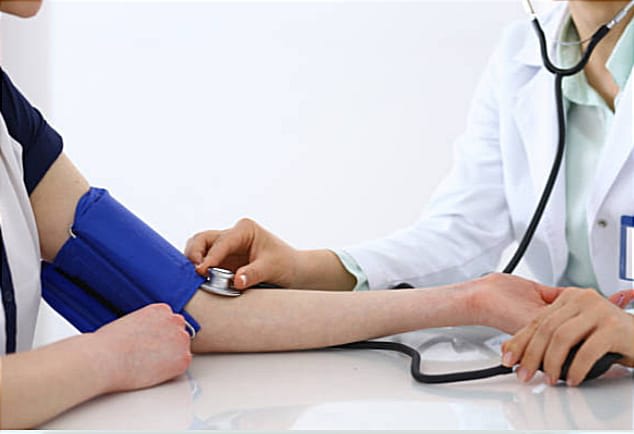
High Blood Pressure (Hypertension): Causes, Symptoms, Remedies, and Best Diet Plan"
Introduction
High Blood Pressure(Hypertension) is a lifelong health condition that can occur at any age, but the risk of developing high blood pressure in adults increases after age 35. High Blood Pressure or hypertension occurs when the pressure level remains elevated for the prolonged duration, putting extra strain on the heart and arteries. This prolonged high blood pressure can eventually lead to serious health issues like heart attack, stroke, and kidney failure. Most people are not aware they have hypertension because it develops slowly, without obvious symptoms. For this reason, hypertension has been nicknamed the “Silent Killer." The good news is hypertension can be managed effectively with lifestyle changes, a balanced diet and natural remedies for blood pressure. In this article we provide information about the most latest statistics on hypertension, the top causes, early symptoms, best home remedies, and best diet recommendations for patients with high blood pressure. If you're looking for practical tips to improve your lifestyle with best diet plan for hypertensive patients. This article provides valuable and simple information for effective hypertension management.
What is High Blood Pressure (Hypertension)?
High Blood Pressure (Hypertension), is a widespread long-term health condition that happens when the pressure of blood against your artery walls is persistently high. This excessive pressure can damage your heart, arteries, and organs over time, leading to life-threatening diseases such as heart attack, stroke, kidney disease, and vision loss. Many people do not know they have hypertension because it typically develops slowly and does not have obvious symptoms, which is why it is sometimes referred to as the "Silent Killer." Managing your lifestyle, following a healthy balanced diet, exercising when you can, and using natural therapies can be effective in naturally managing high blood pressure. The earlier you detect and manage high blood pressure the better chance you have of preventing long-term complications.
What is the causes of high blood pressure?
High Blood Pressure (Hypertension) is a chronic health condition that could happen because of several lifestyle habits, genetics and other health issues. Learning about the causes is important to prevent and/or manage high blood pressure naturally.
1.Poor diet and Too much Salt Eating
Too much salt, processed food sugar sweetened beverages can all raise blood pressure. Eating a diet that is low in fruits and vegetables and whole grains can also contribute to high blood pressure.
Tip: Reduce salt and add more fresh fruits, vegetables and whole grains into meals.
2. Obesity and Overweight due to high blood pressure
When a person is overweight, it makes the heart work harder, which raises pressure on arteries. Keeping a healthy weight is important to help control high blood pressure naturally.
Tip: Eat a balanced diet and exercise regularly to maintain a healthy body weight.
3. Lack of Physical activity caused high blood pressure
Physical inactivity and a sedentary lifestyle can add to increased risk of high blood pressure. Regular movement and exercise helps maintain blood pressure levels.
Tip: A minimum of 30 minutes of walking, yoga or exercise is recommended daily.
4. Stress and Mental Health Problems in blood pressure
Chronic stress, an anxiety disorder, and poor sleep may cause temporary elevations in blood pressure, which eventually can increase the risk of medically diagnosed chronic high blood pressure, or hypertension.
Tip: Manage stress through relaxation methods, deep breathing exercises, and meditation.
5. Smoking and Drinking Too Much
Smoking causes blood vessels to be damaged, and drinking too much alcohol can put your health at risk of developing high blood pressure, and increase your chances of heart disease.
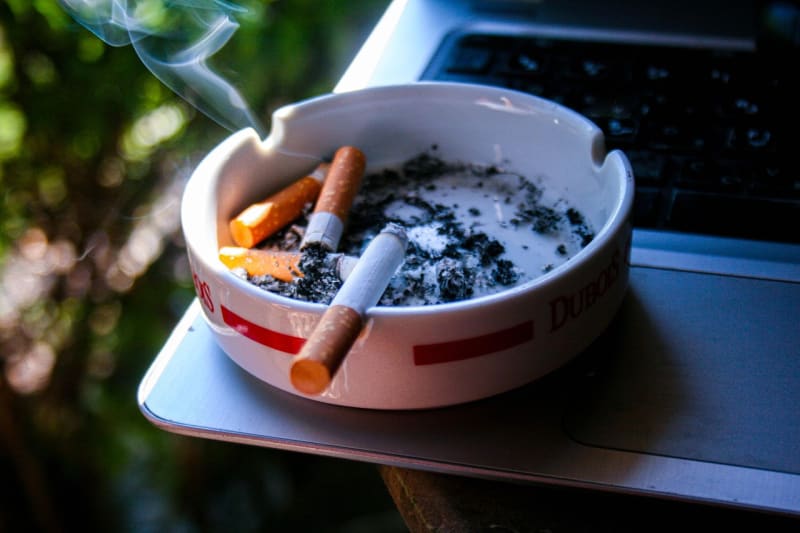
Cigarette smoking effects on health and hypertension risk
Tip: Quitting smoking and limiting alcohol consumption can help to manage blood pressure.
6. Genetics and Family History
Having a family history of hypertension increases your risk of developing high blood pressure. It's a combination of genetics and a common lifestyle.
Tip: If you do have a family history, having regular check-ins and maintaining a healthy lifestyle will be even more important.
7. Chronic Health Conditions
Diseases such as diabetes, kidney disease, and hormonal disorders may contribute to high blood pressure.
Tip: Consult with a knowledgeable health professional to help manage your existing health conditions, to possibly reduce your risk for medically diagnosed hypertension.
Signs and Symptoms of High Blood Pressure (Hypertension)
High Blood Pressure (Hypertension) is sometimes referred to as the "silent killer." Many people sometimes don't show obvious symptoms of having high blood pressure. When you are able to recognize the signs earlier, you can help prevent some serious health problems, such as a heart attack, stroke or damage to the kidneys.
1. Headaches
Frequent or very bad headaches, especially when you wake up in the morning may be a sign that you are suffering from high blood pressure.
Read in details about how can control the headache disease with home remedies.

Person suffering from headache due to high blood pressure
2. Dizziness or Feeling Faint due to high blood pressure
Feeling dizzy, faint, or lightheaded could be warnings that you are experiencing high blood pressure, which may be affecting blood flow to the brain.
3. Blurred Vision due to hypertension
Hypertension may damage blood vasculature that supplies the eyes leading to blurred vision (or other vision disturbances) over time.
4. Shortness of breath
High blood pressure increases strain on the heart and lungs, which may lead to shortness of breath (especially with activity).
5. Chest Pain
Chronic high blood pressure is a risk for heart issues, which often present as chest pain and/or arrhythmias (sounds like an irregular heartbeat).
6. Fatigue or Confusion
While fatigue or difficulty thinking (typically caused by other factors) may be associated with uncontrolled hypertension.
7. Frequent Nosebleeds
Although this is unusual, frequent nosebleeds can be associated with very high blood pressure.
How to Manage High Blood Pressure (Hypertension)?
High Blood Pressure (Hypertension) is a common ongoing condition that can lead to serious health problems. These can include heart attacks, strokes, and kidney disease. Managing high blood pressure naturally includes lifestyle changes, dietary adjustments, and regular self check monitoring
1. Use a Healthy and Well Balanced Diet to maintain high blood pressure
Eat a diet that is rich in fruits, vegetables, whole grains and low-fat dairy products. Limit salt intake and processed foods along with sugary drinks.
Tip: Follow the DASH diet by USDA (Dietary Approaches to Stop Hypertension) to help manage blood pressure naturally.
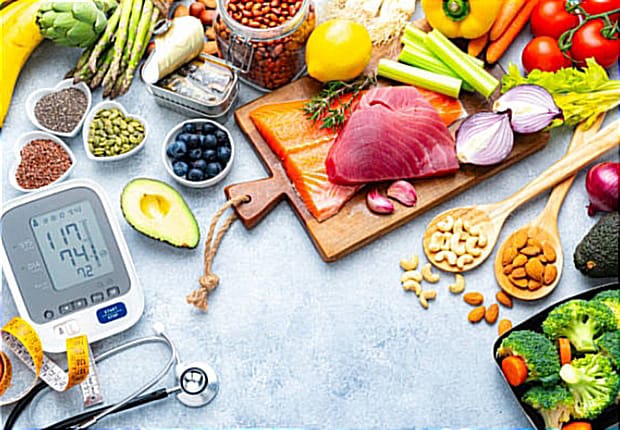
Healthy die plan for managing high blood pressure
2. Maintain a Healthy Weight
Being overweight contributes to an increased chance of hypertension. You can lower your blood pressure by losing a small amount of weight (5–10 pounds) can make a difference.
3. Stay Active
Engage in moderate exercises to stay active like walking, swimming, cycling or yoga for at least 30 minutes daily so control the blood pressure. Exercise strengthens the heart and improves blood flow.
4. Manage Stress
Control stress with mindfulness, meditation, and belly breathing exercises, or yoga. Chronic stress could contribute to high blood pressure over time.
5. Reduce Alcohol and Stop Smoking
Smoking and heavy alcohol consumption damage blood vessels and increase blood pressure. If you have hypertension, it is important that you have as little alcohol as possible and stop smoking altogether
6. Monitor Your Blood Pressure
You should monitor your blood pressure at home or in a clinic to detect trends and early warning signs of dangerous spikes in blood pressure.
7. Get Enough Sleep
Sleeping 7-9 hours per night is a key component to your health. Lack of sleep can add to higher blood pressure and heart difficulties
8. Natural Supplements (doctor approved)
Supplements, like garlic, hibiscus tea, magnesium, omega-3 fatty acids, and coenzyme Q10, can help control their blood pressure naturally. But always consult your doctor first before taking any supplements.
Best Foods for High Blood Pressure (Hypertension)
Eating the right foods can be one of the best ways to naturally control high blood pressure. Eating these foods as part of your daily diet can help lower high blood pressure heart health and reduce the risk of stroke or heart disease.
1.Leafy Green vegetables to maintain blood pressure
Kale, Swiss chard, arugula, and spinach are examples of vegetables that are all high in potassium, which can help balance sodium levels and naturally lower blood pressure.
2. Berries
Blueberries, strawberries, and raspberries of the the family of antioxidants called flavonoids, which can help improve heart health and lower blood pressure.
3. Beets
Beets are high in nitrates, which can help relax blood vessels and improve blood flow, thereby helping to lower blood pressure.
4. Oats and Whole Grains
Oats, brown rice, quinoa, and whole wheat bread all have fiber and other nutrients that can help support healthy blood pressure levels.
5. Fatty Fish
Salmon, mackerel, sardines are all fatty fish and sources of omega-3 fatty acids, which are known for their anti-inflammatory abilities, and are also good for cardiovascular health.
6. Nuts and Seeds
Almonds, walnuts, chia seeds, and flaxseeds are sources of healthy fats, magnesium, and potassium which will work to reduce blood pressure naturally.
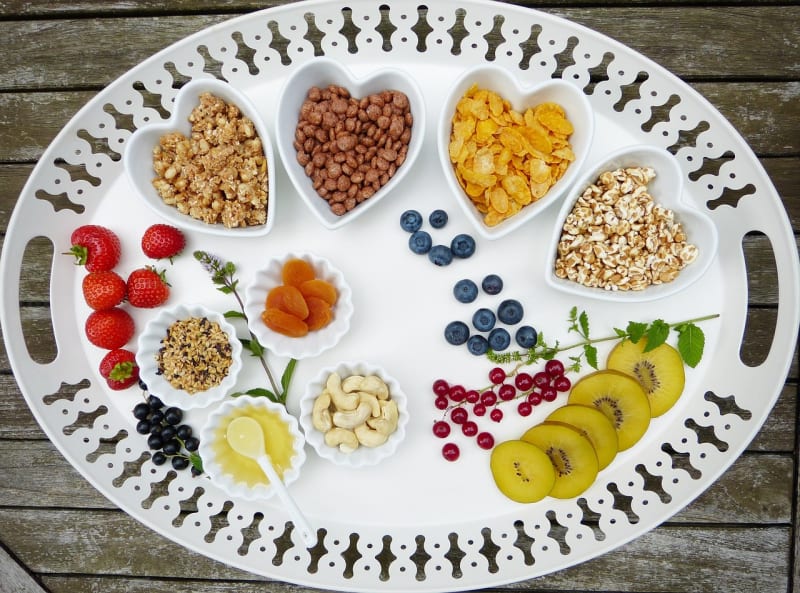
Nuts and seeds for maintain high blood pressure naturally
7. Garlic
Garlic contains compounds which help relax blood vessels and increase blood circulation. This makes garlic a natural treatment option for the treatment of high blood pressure.
8. Beans and Lentils
Kidney beans, black beans, lentils, and chickpeas also provide protein, fiber, and other minerals from the earth that can help maintain blood pressure.
9. Low-fat Dairy
Milk, yogurt, (low-fat or skim) and cheese (low-fat) are sources of calcium and vitamin D; and can keep calcium stores intact to maintain blood pressure.
10. Dark Chocolate (moderation)
Dark chocolate (70% cocoa or above) has flavanols which help relax blood vessels and decreased blood pressure.
When to Seek Medical Attention for High Blood Pressure (Hypertension)?
High Blood Pressure (Hypertension) is commonly referred to as the "Silent Killer" because most people won't know of any symptomatic gains it may have until it is too late for them to act. Recognizing these symptoms and early detection with some level of medical support can prevent serious complications such as heart attack, stroke, kidney disease, and loss of vision.
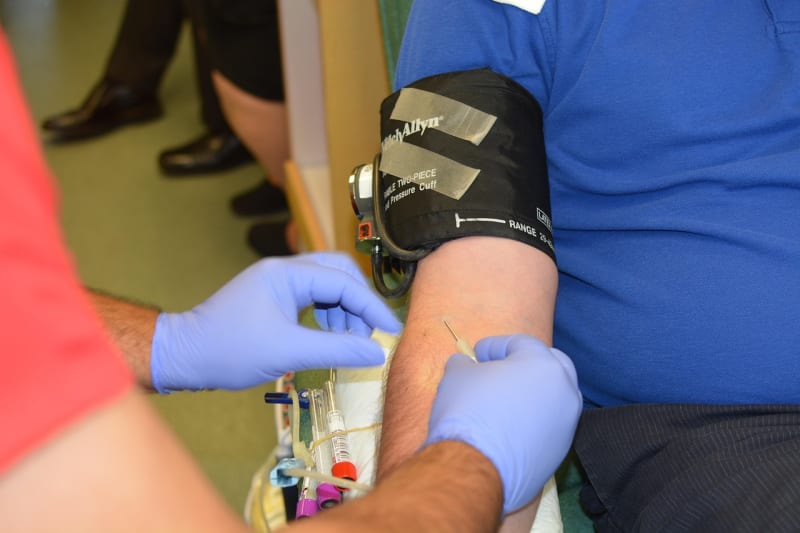
Consulting a doctor for high blood pressure management
1. Consistently High Readings for high blood pressure
If your blood pressure readings are 140/90 mmHg or above consistently, you need to see a doctor now! Ideally, you need to be aware of your levels to detect hypertension early, this is why self-check monitoring is so important.
2. Frequent Severe Headaches or Dizziness
If you experience frequent severe headaches, dizziness, or lightheadedness, those may be signs that your blood pressure levels are dangerously high.
3. Chest Pain or Shortness of Breath
If you begin experiencing chest pain, palpitations, and/or an inability to breathe due to throat strangulation, you could be undergoing a significant strain from high blood pressure on your heart, which could lead to heart failure. In most circumstances, these symptoms will require immediate medical support.
4. Eye Problems due to high blood pressure
If you are noticing blurred vision, sudden loss of vision, of eye disturbances, these can also indicate damages to blood vessels in your eyes, as related to hypertension.
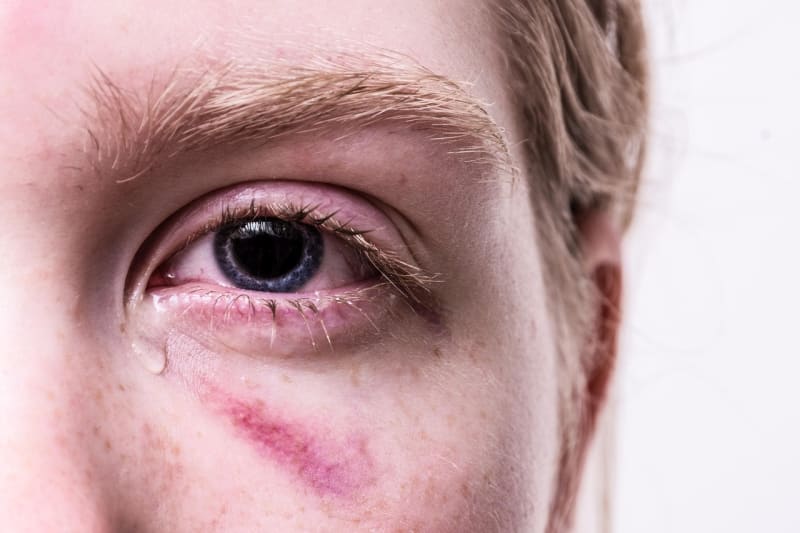
eye problems caused by high blood pressure
5. Nosebleeds and/or Unexplained Fatigue
Uncontrolled high blood pressure can be manifested by recurrent nosebleeds, extreme tiredness, or confusion. A doctor will investigate and provide treatment options.
6. Family History of Hypertension or Coronary Disease
If you have a family history of high blood pressure, heart attack and/or stroke, you should have regular check-ups regardless of how you feel.
7. Your Current Medical Conditions
Persons with diabetes, kidney disease, or hormonal conditions should have regular doctor visits to monitor blood pressure, manage blood pressure and protect against the consequences of high blood pressure.
Diet Plan for High Blood Pressure Patients (Hypertension)
Diet Plan for High Blood Pressure Patients (Hypertension) Eating a better diet is one of the most efficient and natural ways to manage high blood pressure. This Pakistani diet plan is rich in potassium, little sodium, and healthy ingredients that will help protect your heart and lower your risk of hypertension.
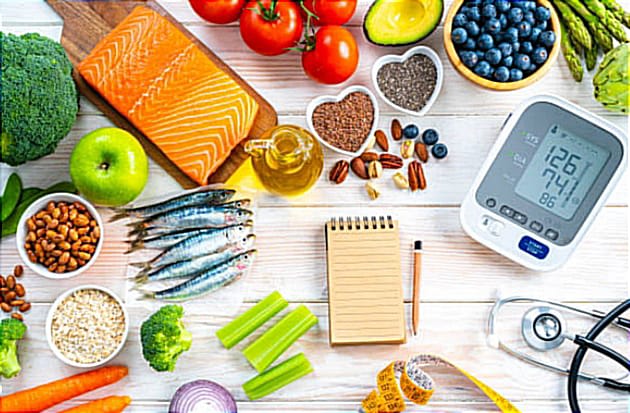
Breakfast Options for control blood pressur
Oatmeal with fruits - add nuts, bananas, strawberries, or blueberries with the oatmeal for potassium and antioxidants. Egg white with vegetables - spinach, tomatoes, and bell peppers cooked with little olive oil. Low-fat yogurt with flaxseeds - this will also help your digestion, plus provide calcium for healthy blood pressure.
Mid-Morning Snack
A handful of nuts - almonds or walnuts are the best option, including healthy fats and magnesium. Fresh fruit - apple, pear, or orange for fiber and vitamins.
Lunch Options
Grilled chicken or fish - salmon, mackerel, or sardines are great options because they are loaded with omega-3 fatty acids. Whole grains - brown rice, quinoa, or whole wheat roti. Vegetable salad - cucumbers, tomatoes, carrots, and spinach dressed with a little olive oil.
Afternoon snack
Hibiscus tea or green tea - these have a soothing effect on your blood vessels. Cucumber or carrot sticks - very low calories with potassium.
Dinner Choices
Lentils or beans: adjunct multiple beans for fiber and minerals, kidney, chickpeas, black beans. Steamed vegetables or sautéed vegetables, broccoli, zucchini, bell pepper. Grilled fish or chicken: maybe baked, preferably grilled with minimal oil.
Tips for Lowering High Blood Pressure
Limit salt intake, avoid processed foods, pickles, and salty snacks. Drink fluid: hydration 8 glasses of water a day. Use herbs and spices instead of salt: garlic, turmeric, coriander, black pepper. Do not eat fried and sugar food. Fresh food= whole food. Take blood pressure at home regularly, and check for improvement.
FAQs
Q1. What is high blood pressure?
Answer High blood pressure, also called the hypertension, is when the force of blood against the artery walls is steadily high. High blood pressure can damage the heart, kidney, and eyes, and increasing the risk of heart of heart attack, and other sever health problem.
Q2 What are the main symptoms of the high blood pressure?
Answer Hypertension is also called the "Silent Killer" . Common symptoms include frequent headache, dizziness, blurred visions, chest pain nosebleed, shortness of breath, and extreme fatigue.
Q3 What food are good for high blood pressure?
Answer The best food for high blood pressure include fresh fruits, leafy vegetables, whole grains , bananas, beans, nuts, seeds, and low fat dairy.
Q4 What can make high blood pressure reduce drastically to normal?
Answer High blood pressure can be reduced by lower intake sodium , eating potassium rich foods, exercising, stay hydrated, reducing stress, avoiding alcohol, and if very high, so taking prescribed medicine immediately.
Q5 What causes of high blood pressure ?
Answer The causes of high blood pressure includes a poor diet high in salt , obesity, lack of physically activity, stress, smoking, alcohol, genetics ,and chronic conditions like diabetes or kidney disease.
Conclusion
High Blood Pressure (Hypertension) is a serious yet common condition that can lead to heart attack, stroke, kidney disease and vision loss if left unresolved. Often dubbed the "Silent Killer," hypertension can develop with little to no conspicuous symptoms and regular attention monitoring is essential to catch such a condition. Managing hypertension is a process that requires an effort on many fronts of lifestyle choices including diet, supplements, medications, and taking direction from a health care professional. Furthermore, having dietary plans that include heart healthy foods, being active, stress management, and getting adequate sleep will ultimately reduce blood pressure naturally. As with many health conditions, early detection, consistent tracking and following a balanced Pakistani prescribed dietary plan will help hypertension patients control blood pressure and lessen long lasting health complaints.
Call To Action
- Share your experience with high blood pressure in the comments below.
- Save this guide so you can quickly refer to it when needed.
- Check our related articles on stress management and diet tips.
Leave a Comment
No Comments Yet
Be the first to comment on this blog post!