
What Causes Headaches? And How you can get quick relief?
Introduction
Headaches are a common problem affecting people of all age groups. When you have a headache, it can slow you down and affect your concentration. By understanding what causes your headaches and how to relieves them, you take control of your health and wellbeing. In this article, we cover headache types, symptoms, and evidence based rapid relief strategies.
What Is a Headache?
Headaches are defined as pain or discomfort in the head, scalp, or neck. Headaches can be described as having a mild, dull ache or a more intense, throbbing pain. Headaches can be intermittent (coming and going) or chronic, lasting for long periods of time. Headaches are among the most common health issues found globally and affect individuals from childhood to adulthood. Types of headaches can vary from tension headache and migraine, or cluster headaches. Headaches may be attributed to many factors, including stress, dehydration, eye strain, lack of sleep, or other health factors such as sinus infections or hypertension. Understanding the causes of headaches, being aware of the types of headaches, and how to manage symptoms is an essential aspect of health. When you learn to identify the triggers and symptoms of tense headaches, migraines, and various types of headaches, you can find quicker and better relief.
Common Headaches
1. Tension type Headaches
Tension headaches are the most common headache type with a dull non-pulsating ache, bilateral location, and associated tension or tightness around the forehead, scalp, or neck. Common triggers include of headache stress, postural strain, eye strain, and fatigue.
2. Migraine Headaches
Migraine headaches are severe, intense and usually, one sided pulsating pain headaches. In addition to attacks, they may involve nausea, vomiting, or sensitivity to light or sound. Triggers can include hormonal changes, certain types of food and drinks, lack of sleep or changes in sleep patterns, or over-arousal to sensory input
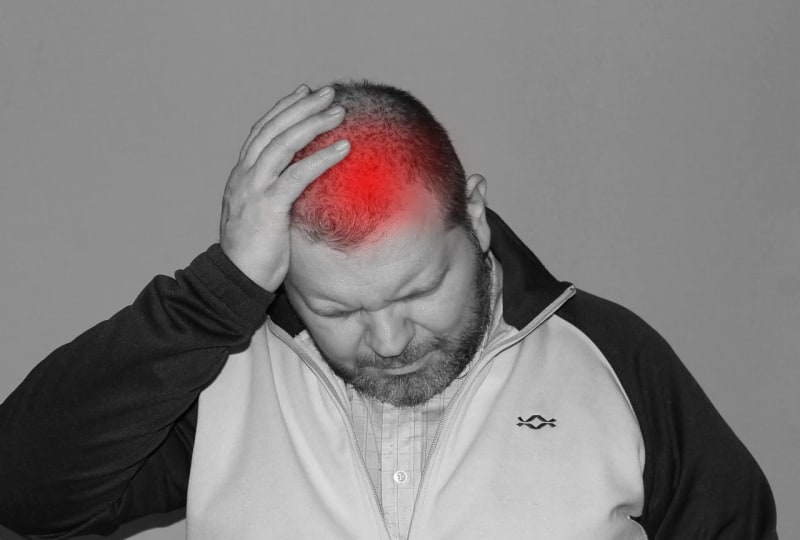
Man suffering from migraine pain with headache symptoms
3. Cluster Headaches
Cluster headaches are extremely painful and occur in cycles or clusters. They tend to be burning or sharp pain around or and only in one eye or one side of the head. Associated symptoms can include watering from the eye, runny nose, or redness of the eye.
4. Sinus Headaches
Sinus headaches arise from the inflammation of the sinuses due to infections, such as a cold, or allergies, or changes in weather. Symptoms include deep pain and pressure and a location in the forehead, cheekbones, nose followed by nasal congestion or runny nose, and possibly mild fever.
5. Hormonal Headaches
Hormonal headaches mostly occur amongst women and may occur fluctuating hormones associated with ovulation during a menstrual cycle, pregnancy or the course of menopause. Hormonal headaches can usually resemble migraines and be triggered by environmental factors or lack of sleep.
What are the Causes of Headaches?
- Mental stress and anxiety
- Dehydration
- Sleep deprivation
- Bad posture eye strain (often from screens)
- Hormonal changes
- Weather changes
- Certain foods (or alcohol and caffeine)
Low or high blood pressure can sometimes trigger headaches. learn how to manage your blood pressure effectively in our blood pressure guide.
How to Identify Your Headache pain?
Symptoms
- Signs you Should look for dull, aching, or sharp, sharp, throbbing pain
- Pressure at the front of your head or back of your head
- Nausea or vomiting sensitivity to light and sound
- Visual disturbances (mostly in migraines)
- Difficulty Concentrating
How to Treat a Headache?
Home remedies for headache:
- Drink lots of fluids
- Rest in a quiet
- Try Ginger tea

Ginger tea for headache relief and natural remedies.
- Dark room Cold compress or warm compress
- Breathe deeply and relax yourself
Medications:
- Over the counter pain relievers (e.g., ibuprofen or acetaminophen)
- Prescription medications for migraine headache or multiple headache prescriptions
- Preventative medication when they occur frequently.
When to See a Doctor for Headache:
Seek medical assistance if:
Headaches are frequent or occur frequently and are deepening pain is sudden and very severe headaches accompany a head injury. You experience confusion, numbness or visual changes.
FAQs
Q:1 What causes frequent headache?
Answer: Frequent headache can be caused by stress, dehydration, lack of sleep, eye strain, hormonal changes.
Q:2 What are the most common types of headache?
Answer: The most common types of headache includes tension headache, migraines headache, Cluster headache, and sinus headache.
Q:3 Can dehydration cause a headache?
Answer: yes, lack of water is very common and easily preventable cause of headaches. Make sure to stay hydrated in hot weather during exercise or physically activity.
Q:4How can I naturally prevent headaches?
Answer: The naturally prevent headaches , follow these effective tips like stay hydrated, manage stress, sleep well, stay balanced meal, exercise regularly ,avoid eye strain , use essential oils.
Conclusion
Headaches are a common occurrence for millions of people each day, but if you have the right tools you can learn to manage your headaches and in some cases, prevent them. Each headache type can include chronic migraines, tension-type headaches or sinus pressure pain. The key to headache relief is to understand your headache type and what causes them. There are natural headache remedies, proper hydration, good-quality sleep, and stress management that can help prevent headaches naturally. For quick relief you can always use over-the-counter pain relief or prescribed migraine medication when needed. If you find headaches are persistent or can be debilitating, consult with a physician. Remember, with awareness and the right tools, headache prevention and pain relief is possible and will allow you to live a more active healthy lifestyle.
Call To Action
- Share your experience with headache in the comments below.
- save this guide so you can quickly refer to it when needed.
- Check our related articles on stress management and diet tips.
Leave a Comment
No Comments Yet
Be the first to comment on this blog post!